Marrakech is a beautiful and exciting city. From its vibrant souks to the historic Medina, it offers a magical experience for visitors. However, because it is a very busy destination, travelers need to manage their expectations and know a few important things before arriving. The climate can be very hot, and the streets are often crowded and chaotic. Understanding the basics of the culture and local habits is key to a great trip. In this guide, we will share essential safety tips Marrakech to help you avoid common problems. While the city is mostly safe, being aware of potential Marrakech travel risks will make your vacation much more enjoyable. Whether you are exploring the main square or taking a day trip, staying alert is your best tool. For a broader overview, check out our complete travel guide.
2. Safety & Crime: What You Need to Know
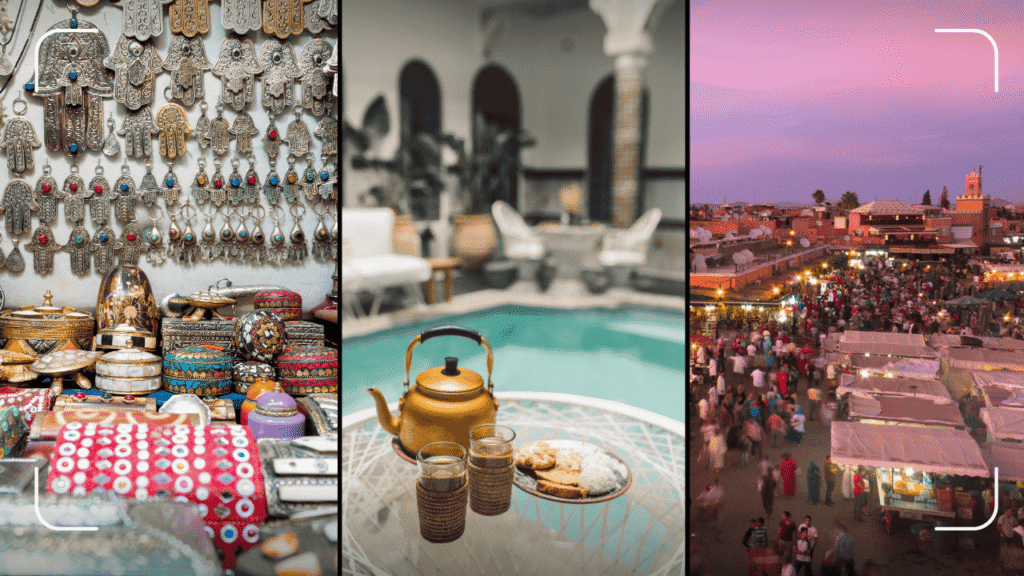
Marrakech is generally a safe and stable city for tourists. You will often see the special Tourist Police patrolling the main areas to keep visitors safe. Violent crime is very rare. However, like in many major tourist cities, petty crime is something to watch out for. Pickpocketing and bag snatching can happen, especially in crowded spots like the narrow streets of the Medina or the busy Jemaa el-Fnaa square. The most common petty crime patterns involve thieves looking for easy targets in distracted crowds. To protect yourself, always follow best practices: keep your valuables secure, do not flash expensive jewelry or phones, and use a crossbody bag that zips completely shut. Never put your wallet or phone in your back pocket. By staying aware of your surroundings, you can easily avoid these common issues.
3. Common Scams in Marrakech & How to Avoid Them
As a tourist, you might face a few common scams, but they are easy to avoid if you know what to look for. One frequent trick is the “fake helper.” People might tell you “this way is closed” to lead you to a shop or ask for money. Simply ignore them and keep walking. Be careful with unsolicited guides who offer “free tours” to the tanneries or spice markets; they will usually demand a large tip at the end. In the main square, snake charmers and henna artists often demand high photo fees if you take a picture of them. Always agree on a price first, or politely say “No, thank you” (“La, shukran”). To learn more about general behaviors, read our guide on the dos and don’ts in Morocco. Knowing these simple refusal phrases and safety behaviors will protect your wallet.
4. Transportation Awareness
Getting from one place to another in Marrakech requires some attention. Traffic can be busy and chaotic, with cars, motorbikes, bicycles, horse-drawn carriages, and pedestrians often sharing the same streets. When taking a local Petit Taxi, always ask the driver to use the meter by saying, “Compteur, s’il vous plaît” (Meter, please). If the driver refuses, it is usually better to find another taxi.
If you prefer ride-hailing apps, you may be wondering, is there Uber in Marrakech? The answer is yes. Uber is now available in Marrakech and operates through licensed transportation vehicles. You can request a ride directly through the Uber app.
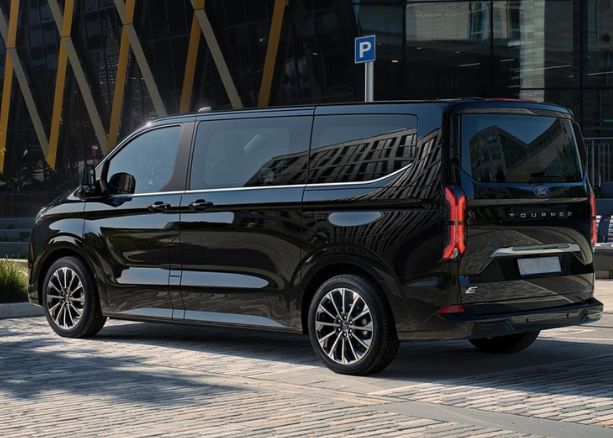
For more transportation options and useful tips, check out our guide on how to get around in Marrakech. Public buses are affordable but can become crowded, especially during busy hours. For airport transfers, late-night journeys, or a more comfortable experience, booking a private transfer in advance is often the most convenient option.
5. Cultural Respect & Local Norms
Morocco is a Muslim country, and respecting local cultural expectations is very important for your safety and comfort. It is highly recommended to dress modestly to avoid unwanted attention. Both men and women should keep their shoulders and knees covered, especially when walking in traditional areas. If you are visiting soon, you might want to read about what to wear in Morocco in March. Be aware of customs during the holy month of Ramadan, when locals fast from sunrise to sunset; avoid eating or smoking in public during the day. When taking photos of people or their shops, always ask for permission first. Finally, remember that non-Muslims are generally not allowed to enter mosques in Marrakech. You can find more official cultural guidelines on the Moroccan National Tourist Office website.
6. Medina & Souk Navigation Tips
The Medina and its souks are like a giant maze. It is easy to get lost, which is part of the fun, but you need to navigate safely. The best tip is to stick to the main thoroughfares where there are plenty of people and open shops. Before you leave your hotel, download an offline map on your phone, like Maps.me or Google Maps, because the internet connection can be weak in the narrow streets. Avoid entering dark, narrow alleys at night, as they can be confusing and less safe. If you are traveling with others, try to stay with your friends or group. If you ever feel completely lost, do not ask random people on the street; instead, walk into a large shop or a restaurant and ask the staff for directions.
7. Health & Comfort Tips
Keeping healthy during your trip is just as important as staying safe. When it comes to water safety, you should avoid tap water. Always drink sealed bottled water, and use it to brush your teeth as well. For food, Marrakech offers amazing street food, but try to eat freshly cooked foods that are served hot. Avoid raw salads or unpeeled fruits from street vendors to prevent stomach problems. The Moroccan sun can be very strong, so good sun and heat management is crucial. Wear a hat, use sunscreen, and drink plenty of water throughout the day. We also recommend packing a basic travel kit with painkillers, band-aids, and stomach medicine. For official health advice, you can check the Centers for Disease Control and Prevention (CDC) page for Morocco.
8. Money, Tipping & Bargaining
Knowing how to handle your money will make your shopping experience much better. When you need local currency (Dirhams), exchange money safely at official banks or registered exchange bureaus. Avoid exchanging money with people on the street. In the souks, bargaining is a big part of the local culture. The first price the seller gives you is usually much higher than the real value. Offer about a third of the price and negotiate with a smile until you reach a fair agreement. Tipping expectations in Morocco are standard but modest. It is polite to leave about 10% in restaurants if the service was good, and a few dirhams for hotel staff or luggage handlers. Always carry small coins, as many places do not have change for large bills.
9. Emergency Preparedness
While we hope you never need it, being prepared for emergencies is smart. Always keep important contact numbers saved in your phone. In Morocco, dial 19 for the police in urban areas (like the city center), 15 for the ambulance and fire department, and 177 for the Royal Gendarmerie outside the city. It is a great idea to know the location of your country’s embassy or consulate. Before your trip, make digital copies of your passport, travel insurance, and flight tickets, and email them to yourself. If you deal with lost items or a stolen passport, having these digital copies will make the replacement process much faster and easier at the embassy.
10. Airport & Arrival Tips
Arriving at Marrakech Menara Airport can be busy. Be prepared for long lines at passport control, so stay patient. Make sure you fill out any required arrival forms before reaching the desk. Once you pass through customs, you will see many shops selling local SIM cards (like Inwi, Orange, or Maroc Telecom). Buying one at the airport is an easy way to get mobile data immediately. For transport from the airport to your hotel, ignore the drivers shouting at the exit. Instead, use the official taxi rank where prices are displayed on a board, or pre-book a transfer. To understand your wider travel options, read about what transportation is used in Morocco.
FAQs Section
Is Marrakech safe at night?
Yes, the main tourist areas like Jemaa el-Fnaa are busy and safe at night. However, you should avoid walking alone in dark, empty alleys of the Medina after hours.
How to avoid taxi scams?
Always ask the driver to turn on the meter (“Compteur, s’il vous plaît”) before the trip starts. If they say it is broken, agree on a clear price before getting in, or simply find another taxi.
What to wear in Marrakech?
Dress modestly. Cover your shoulders and knees to show respect for the local Islamic culture. Lightweight, loose-fitting clothes made of cotton or linen are best for the heat.
Can I drink tap water?
No, drinking tap water is not recommended for tourists. Always drink sealed bottled water to avoid stomach issues, and use it when brushing your teeth.
Where are scams most common?
Scams are most frequent in highly crowded tourist spots, especially around the Jemaa el-Fnaa square, deep inside the souks, and near the leather tanneries.